Why Enterprise Application Support Is Mission-Critical for Federal Agencies
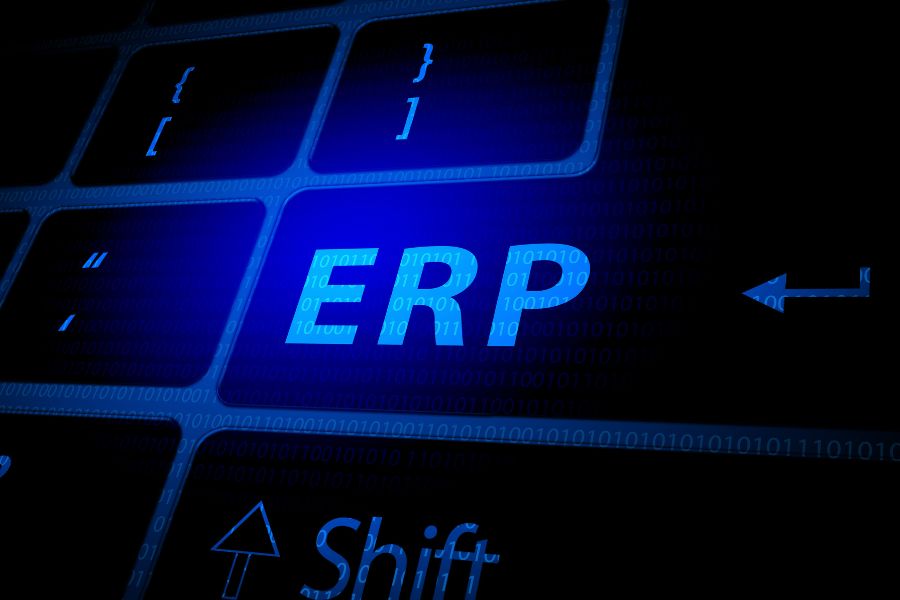
Enterprise application support is mission-critical for federal agencies because these systems — case management platforms, benefits processing tools, financial systems, ERP software — are what agencies actually run on day to day. When support for these applications lapses or falls to under-resourced teams, the mission doesn’t pause; it just gets harder to deliver.
Here’s why this function deserves the same staffing attention as more visible priorities like cybersecurity or infrastructure, and what strong enterprise application support actually requires.
What Enterprise Application Support Actually Covers
Enterprise application support means the ongoing maintenance, troubleshooting, integration, and optimization of the large-scale software systems an agency depends on to operate — not a one-time implementation, but the sustained work that keeps those systems reliable as requirements, data volumes, and compliance standards evolve.
This includes:
- Resolving issues before they disrupt operations
- Integrating enterprise systems with newer tools and platforms
- Managing upgrades and patches without breaking existing workflows
- Ensuring systems stay compliant as federal requirements change
- Optimizing performance as data volume and user load grow
The Risk of Under-Resourcing This Function
When enterprise application support is treated as a background function rather than a staffed priority, the consequences show up in ways that are easy to underestimate until they happen — a scenario like a benefits processing delay that affects real people waiting on a determination, a financial system reconciliation error that takes weeks to trace, or a case management outage during a high-volume period.
None of these failures announce themselves in advance. They accumulate quietly in systems that haven’t had dedicated, expert attention — which is exactly why this function needs to be staffed proactively, not reactively.
Why These Systems Need Ongoing, Specialized Support
Enterprise systems in the federal space are rarely simple, off-the-shelf deployments. They’re often customized, integrated with multiple other systems, and built up over years — sometimes decades — of incremental changes. That accumulated complexity means:
- Institutional knowledge matters. A support team that understands why a system was configured a certain way avoids breaking things that look outdated but serve a real purpose.
- Modernization has to happen without disruption. Agencies can’t simply pause operations to overhaul a system — support teams have to modernize incrementally while the system stays live.
- Compliance requirements shift. Federal systems have to keep pace with evolving security and reporting standards, which means support isn’t just technical — it’s also a compliance function.
What to Look for in an Enterprise Application Support Partner
Strong enterprise application support staffing looks for professionals who bring:
- Direct experience with the specific platforms in use — whether that’s a particular ERP system, case management platform, or financial software, not just general IT experience.
- Comfort working within federal compliance frameworks, since enterprise application work is rarely purely technical.
- A track record of institutional continuity — support staff who stay engaged with a system long enough to build the kind of knowledge that prevents costly mistakes.
This is where the right staffing partner matters as much as the systems themselves. Enterprise Application is one of the areas where Gridiron IT places dedicated, experienced professionals — not generalist IT staff stretched across unrelated systems, but people matched specifically to the platforms and compliance context an agency actually operates in.
FAQ: Enterprise Application Support for Federal Agencies
What’s the difference between enterprise application support and general IT support?
General IT support typically covers hardware, networks, and everyday user issues. Enterprise application support is specific to the large-scale software systems — ERP, case management, financial, benefits platforms — that an agency’s core operations run on, and requires deeper platform-specific and compliance knowledge.
How do agencies know if their enterprise application support is under-resourced?
Common signs include recurring issues that never get fully resolved, slow response times on system-critical problems, and a support team that’s stretched across too many unrelated systems to build real depth on any one of them.
Can enterprise application support be modernized without disrupting current operations?
Yes, but it requires support staff experienced enough to make incremental changes safely — understanding both the legacy system and the modernization goal well enough to bridge the two without downtime.
Staffing This Function Right, From the Start
Enterprise application support isn’t a background function — it’s what keeps mission-critical systems reliable day after day. Agencies that staff this function with the same intentionality as more visible priorities avoid the quiet failures that come from treating it as an afterthought.
Partner with us to talk through what dedicated enterprise application support could look like for your agency’s systems.